
Sky Resources Knowledge Hub

Beauty & OEM Skincare Insights

Expert guidance on Halal cosmetic manufacturing, private label skincare trends, and formula innovation.

0%

Choosing a reliable Halal OEM Skincare supplier in 2026 requires more than checking a certificate online. Brands must examine ingredients, manufacturing controls, documentation, and long-term communication. A polished website proves very little.

Start with the supplier’s Halal certification. Confirm the issuing body, certificate number, covered products, and expiration date. Ask whether the certification applies to the complete formula, production equipment, storage areas, and packaging materials. Some suppliers provide impressive documents, but their scope may be narrower than expected.

Product quality also depends on practical manufacturing evidence. Request current GMP or ISO 22716 records, ingredient specifications, allergen statements, stability testing, and microbiological results. Visit the facility when possible. Observe how workers label raw materials, clean filling lines, and separate approved batches. Small details reveal operating discipline.

Experience matters here.

A capable Halal OEM Skincare partner should explain formulation choices clearly. They should discuss emulsifier sources, alcohol types, fragrance components, preservatives, and animal-derived materials without vague answers. Request laboratory samples and test them under realistic conditions, including heat, humidity, transport, and repeated opening.

Commercial terms deserve equal attention. Review minimum order quantities, lead times, artwork approval, formula ownership, testing responsibilities, and product recall procedures. A low quotation can hide expensive delays or weak quality controls. It is also wise to verify the supplier’s compliance with the target market’s cosmetic regulations.

No supplier is perfect. I have seen promising samples fail after several weeks. That possibility should shape your evaluation. Choose transparency over impressive promises, documented controls over assumptions, and a supplier willing to correct weaknesses before production begins.
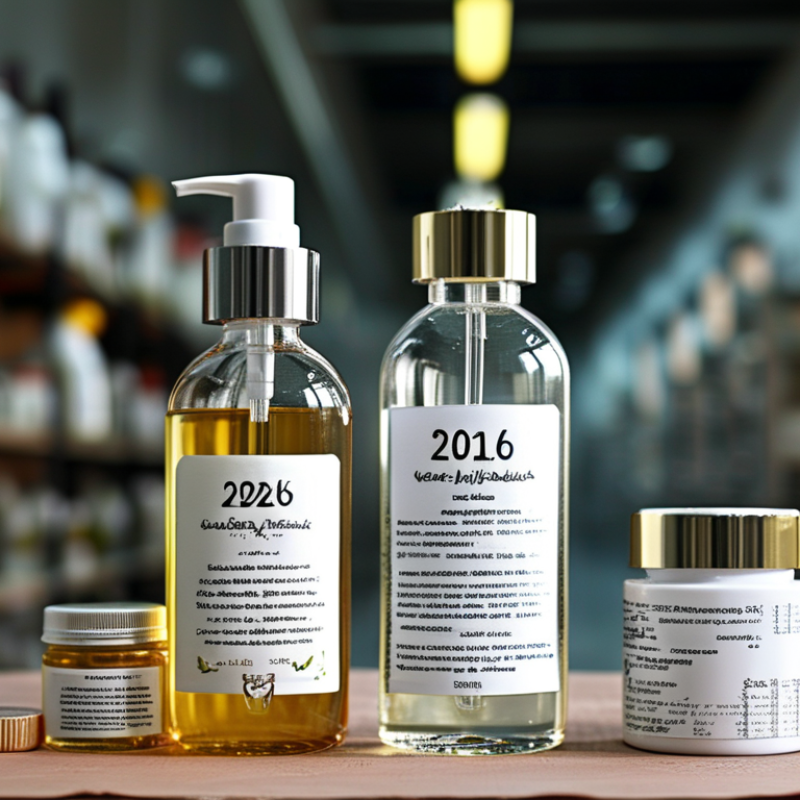
How to Choose Halal OEM Skincare Suppliers in 2026?

Define Halal Requirements for OEM Skincare Products

Before choosing an OEM skincare supplier, define your halal requirements in writing. “Halal” should cover ingredients, processing, storage, packaging, and documentation. Request full ingredient lists, including fragrances, colorants, emulsifiers, and processing aids. Animal-derived materials need clear origin records. For example, collagen, glycerin, keratin, and fatty acids may require additional verification. Alcohol-related ingredients also need review under the target market’s certification standard.

Tips: Ask for current halal certificates, supplier declarations, batch records, and cleaning procedures. Check whether production lines handle non-halal materials. A shared tank can create serious concerns without validated cleaning controls. Visit the facility if possible. Look for labeled storage areas, sealed raw materials, and traceable lot numbers. Small details matter.

Do not accept a certificate without checking its scope, expiry date, and issuing authority. The certificate should cover the actual factory and product category, not only a parent company. Requirements may differ between countries and certifiers, so confirm them before development begins. In practice, supplier documents can be incomplete. That is a warning, not a minor inconvenience. Keep an approval checklist and record every clarification. Also review the final formula, label claims, and packaging adhesives before production. A compliant formula can still face problems when manufacturing controls are poorly documented.

Verify Supplier Certification, Facilities, and Ingredient Controls

How to Choose Halal OEM Skincare Suppliers in 2026?

Choosing a halal OEM skincare supplier requires more than a logo on a brochure. The State of the Global Islamic Economy Report 2023/24 valued Muslim consumer cosmetics spending at 84 billion dollars in 2022. It projects this category to reach 129 billion dollars by 2027. Grand View Research also estimates strong double-digit growth for halal cosmetics through 2030. Verification is practical, not decorative.

Request the original halal certificate, issuing authority, scope, expiry date, and covered product categories. Confirm whether the certifier follows a recognized conformity assessment process, such as ISO/IEC 17065 principles. Visit the facility, or arrange a documented remote audit. Inspect production zones, storage areas, pest controls, cleaning records, and segregation procedures. A clean reception area proves little. Production evidence matters more.

Ingredient controls should connect every formula to its supplier documents and batch records. Review animal-derived materials, processing aids, fragrances, solvents, and capsule components. Ask how shared equipment is cleaned and validated between batches. Trace one ingredient from delivery to finished carton. Weak traceability is a serious warning. A supplier may pass one audit and still disappoint during a rushed launch. I would also request recent test reports, nonconformance records, and corrective actions. Perfect paperwork can exist; practical control is harder to fake.

Assess Formulation Safety, Quality Systems, and Product Testing

How to Choose Halal OEM Skincare Suppliers in 2026?

A halal certificate is important, but it cannot replace formulation and quality checks. Review every ingredient, processing aid, and carrier used in the formula. Some materials may need clearer origin records than their familiar names suggest. Ask for current specifications, safety data, allergen statements, and certificates of analysis. Check whether the supplier controls non-halal contact risks during storage, production, and equipment cleaning.

Formulation safety should include microbial testing, heavy-metal screening, stability studies, and preservative challenge testing. Request results from qualified, independent laboratories when possible. A stable cream should remain uniform after heat, cold, and repeated opening. Packaging compatibility matters too. A leaking pump can damage an otherwise safe formula. Review production records, calibration logs, batch traceability, deviation reports, and corrective actions. A polished audit file is not proof of consistent factory behavior.

Visit the facility if practical. Watch how operators label containers and record line clearance. Small habits reveal larger systems. Ask for a pilot batch before approving a major order. Compare its color, scent, texture, pH, and test results with the agreed specification. I would still recheck critical documents, even after a successful audit. No checklist is flawless. Suppliers should also explain what happens when a batch fails, rather than offering vague assurances. Clear answers, honest limitations, and repeatable testing are stronger evidence than impressive claims.

How to Choose Halal OEM Skincare Suppliers in 2026?

Formulation Safety, Quality Systems, and Product Testing: ISO 17516 microbial limits for cosmetic products

Use these ISO 17516 reference limits as one objective screening point when reviewing an OEM supplier’s microbiological controls. Category 1 covers products for children under three, the eye area, or mucous membranes; Category 2 covers other cosmetic products. Supplier qualification should also verify ISO 22716-based GMP practices, preservative efficacy testing under ISO 11930, ingredient traceability, and valid halal documentation from the relevant certification authority.

Compare Manufacturing Capacity, Costs, Minimum Orders, and Lead Times

How to Choose Halal OEM Skincare Suppliers in 2026?

A reliable halal OEM supplier should show more than a certificate. Ask for current certification, ingredient traceability, production records, and documented cleaning procedures. Confirm whether shared equipment is properly controlled. Request sample batch records and testing results for microbial safety, stability, and contamination risks. A factory visit can reveal practical details, such as separated storage areas, labelled tanks, and trained production staff.

Manufacturing capacity must match your sales forecast, not just your first order. A large facility may offer better pricing, but smaller projects can receive less attention. Compare daily output, available filling lines, packaging capability, and backup equipment. Costs should include formulation work, samples, testing, packaging, tooling, certification support, freight, and possible storage fees. Low unit prices can become expensive later. Watch carefully.

Minimum order quantities often vary by formula, bottle type, and printed packaging. Ask whether the supplier can offer a pilot run before full production. Lead times should cover development, ingredient purchasing, halal review, production, quality checks, and delivery. Get each stage in writing. A practical buffer of two to four weeks may prevent rushed decisions, especially before seasonal campaigns. I have found that spreadsheets can look precise while supplier replies remain vague. That gap deserves attention. Ask who approves changes, what happens during ingredient shortages, and how rejected batches are handled. A dependable partner answers clearly, even when the answer is inconvenient.

How to Choose Halal OEM Skincare Suppliers in 2026?

Compare Manufacturing Capacity, Costs, Minimum Orders, and Lead Times

Supplier Profile Typical Monthly Capacity Indicative Unit Cost* Typical MOQ per SKU Sample Lead Time Bulk Production Lead Time Halal Readiness to Verify Best Fit
Small-Batch Specialist 10,000–50,000 units/month US$1.80–4.50 per 30 ml serum 500–2,000 units 2–4 weeks 6–10 weeks Request a current halal certificate, ingredient screening, and segregation procedures. Start-ups, pilot launches, and limited product ranges
Mid-Size Contract Manufacturer 50,000–250,000 units/month US$1.20–3.20 per 30 ml serum 2,000–10,000 units 2–5 weeks 8–14 weeks Confirm certification scope, halal-critical control points, and batch traceability. Growing brands requiring flexibility and repeat production
High-Volume Integrated Factory 250,000–1,000,000+ units/month US$0.75–2.20 per 30 ml serum 10,000–50,000 units 3–6 weeks 10–18 weeks Audit certificate validity, dedicated storage, production segregation, and recall systems. Established brands, retail programs, and multi-market launches
Premium Natural Formula Manufacturer 30,000–150,000 units/month US$2.50–6.50 per 30 ml serum 1,000–5,000 units 3–6 weeks 8–16 weeks Check alcohol, animal-derived materials, processing aids, and supplier declarations. Clean-beauty, sensitive-skin, and premium halal product lines
Ready-Formula OEM 100,000–500,000 units/month US$0.60–1.80 per 30 ml serum 3,000–20,000 units 1–3 weeks 6–12 weeks Verify that the exact formula and all packaging components are covered by halal documentation. Fast launches, standard formulas, and cost-sensitive projects
Custom Formulation Partner 20,000–120,000 units/month US$2.00–5.50 per 30 ml serum 1,000–10,000 units 4–10 weeks 12–24 weeks for a new formula Include halal requirements in formulation briefs and approve every raw-material substitution. Distinctive formulas, clinically positioned products, and long-term development

Benchmark notes: Figures are indicative 2026 planning ranges for private-label or contract-manufactured facial skincare. Unit costs are estimated FOB factory prices for a standard 30 ml serum in basic primary packaging, excluding freight, duties, testing, certification fees, artwork, and exceptional packaging requirements.

Due diligence: Request the supplier’s current halal certificate, certified product scope, complete ingredient and processing-aid list, certificate validity, quality-system records, product testing documentation, and a written quotation that separates development, packaging, tooling, testing, and production costs.

Confirm Contracts, Documentation, Packaging, and Market Compliance

When choosing a halal OEM skincare supplier in 2026, treat the contract as a control system, not a formality. The 2023/24 State of the Global Islamic Economy report valued Muslim cosmetics spending at about US$84 billion in 2022. It projects approximately US$129 billion by 2027. That growth increases the cost of weak supplier controls.

Write halal requirements into every contract. Define permitted raw materials, processing aids, cleaning chemicals, storage areas, and subcontractors. Require valid certificates for the factory and each relevant product scope. Include audit rights, batch traceability, change-control notices, testing duties, recall procedures, and document retention. Request current INCI lists, certificates of analysis, allergen statements, stability data, and microbiological results. A certificate alone is not enough.

Packaging needs equal attention. Confirm that capsules, labels, adhesives, inks, and secondary packaging meet the target market’s requirements. Check Arabic, English, or local-language labeling rules before production.

For European sales, review Regulation (EC) No. 1223/2009 and appoint the required responsible person. For ASEAN markets, check the ASEAN Cosmetic Directive and notification process.

Halal certification rules can differ by country and certifying body. Do not assume one approval travels everywhere. I have seen otherwise complete files fail because a supplier changed an ingredient without notice. Build a signed change log and retain approved samples. Small omissions matter.

FAQS

What should halal requirements cover for an OEM skincare project?

Define ingredients, processing, storage, packaging, cleaning, and documentation in writing. Small details matter.

Which skincare ingredients need extra halal verification?

Check collagen, glycerin, keratin, fatty acids, fragrances, colorants, and emulsifiers. Confirm animal origins and alcohol-related ingredients.

How can I verify a halal certificate?

Check its expiry date, issuing authority, factory name, and product scope. A certificate alone is not enough.

What should I inspect in a manufacturing facility?

Look for separated storage, sealed raw materials, labeled tanks, trained staff, and traceable lot numbers. Visit if possible.

Are shared production tanks acceptable?

They may be acceptable with validated cleaning controls and complete records. Without proof, concerns remain.

How should I compare supplier capacity and costs?

Compare daily output, filling lines, packaging ability, backup equipment, and forecasted demand. Low unit prices can hide later expenses.

What should I ask about minimum orders and lead times?

Ask about formula quantities, bottle types, printed packaging, pilot runs, and production stages. Add a two-to-four-week buffer.

What documents should the contract require?

Require ingredient lists, batch records, testing results, change notices, audit rights, recall procedures, and document retention.

How can packaging and labeling affect compliance?

Review adhesives, inks, labels, and secondary packaging for target-market requirements. Check local-language rules before production.

What happens if the supplier changes an ingredient?

Require written approval before changes. Keep a signed change log and approved samples. Files can look complete, yet still fail.

Conclusion

Choosing the right Halal OEM Skincare supplier in 2026 begins with clearly defining your Halal requirements, including acceptable ingredients, production processes, contamination controls, and certification expectations for your target markets. Carefully verify the supplier’s certification status, manufacturing facilities, ingredient sourcing procedures, traceability systems, and segregation practices. A reliable partner should also provide transparent documentation and demonstrate consistent control over every production stage.

Beyond Halal compliance, evaluate formulation safety, quality management systems, stability testing, microbiological testing, packaging compatibility, and product performance. Compare production capacity, minimum order quantities, pricing, scalability, and lead times to ensure the supplier can support both initial launches and future growth. Before signing, confirm responsibilities for formulas, approvals, packaging specifications, labeling, confidentiality, quality claims, delivery schedules, and regulatory documentation. A thorough assessment helps you select a Halal OEM Skincare supplier that offers dependable quality, efficient cooperation, and market-ready products.

Evelyn

Evelyn

Evelyn is a dedicated marketing professional with a strong understanding of the company’s products, services, and customer needs. With a thoughtful approach to communication and a passion for turning complex information into clear, useful insights, Evelyn regularly contributes professional blog......