Market Intelligence & Sourcing Forecast Future Procurement Trends in Vegan Skincare OEM (2025–2030)
As global beauty buyers navigate supply chain volatilities and tightening environmental regulations, the procurement landscape for vegan and clean beauty contract manufacturing is undergoing three major shifts:
1. Transition from "Additive-Free" Claims to Precision Bio-Fermentation
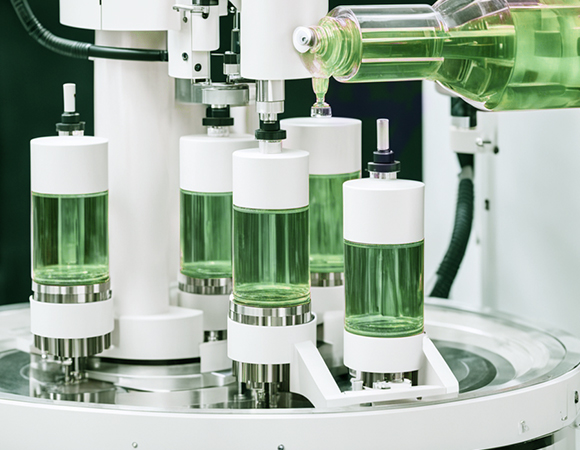
The first era of vegan skincare relied heavily on unrefined plant oils and botanical extracts, which often suffered from batch-to-batch color instability, odor variations, and limited shelf life. The market is rapidly moving toward precision bio-fermentation actives. By utilizing specialized micro-organisms to synthesize plant molecules (such as bio-identical resveratrol, fermented ectoine, and vegan ceramides), OEM manufacturers can offer 99%+ active purity, superior skin bio-availability, and absolute supply chain consistency independent of climate disruptions.
2. Synergistic Crossover: Halal & Vegan Dual-Certification Infrastructure
Global beauty brands expanding across North America, Europe, the Middle East, and Asia-Pacific are seeking single manufacturing partners capable of delivering dual Halal-Vegan compliance. Halal certification mandates strict sanitation protocols, zero pork derivatives, and non-alcohol processing environments—which perfectly mirrors the requirements of vegan standards. Partnering with a manufacturer equipped with a dedicated Halal GMP infrastructure like Sky Resources eliminates the cost and complexity of auditing multiple factories across different regions.
3. Waterless (Anhydrous) Formulation Architecture & Carbon Footprint Reduction
Freight logistics costs and scope-3 carbon emissions have elevated the demand for anhydrous (waterless) vegan skincare OEM formulations. Powder-to-liquid cleansers, concentrated botanical serum bars, and solid oil-balm formulas reduce liquid volume weight by up to 75%, significantly lowering trans-continental shipping costs while appealing to eco-conscious consumers looking to reduce single-use plastic consumption.
4. Strict Regulatory Enforcement: US FDA MoCRA & EU Eco-Design Regulations
The enactment of the Modernization of Cosmetics Regulation Act (MoCRA) in the United States and updated EU micro-plastic restrictions have raised the barrier to entry for private label beauty brands. B2B buyers must partner with OEM manufacturers that maintain full trace-ability dossiers, mandatory safety substantiation (CPSR), automated adverse event reporting workflows, and facility registration compliance.