
Sky Resources Knowledge Hub

Beauty & OEM Skincare Insights

Expert guidance on Halal cosmetic manufacturing, private label skincare trends, and formula innovation.

0%

Private Label Cosmetic Manufacturing allows a brand to sell products made by a specialized manufacturer under its own name. The process may include formula selection, ingredient sourcing, testing, packaging, and batch production. A small skincare brand might choose a ready-made moisturizer, adjust its fragrance, and place it in 50-milliliter glass jars. The product feels unique, but the foundation often comes from an established formula.

Quality depends on more than attractive packaging. Reliable manufacturers should explain their ingredient specifications, production controls, stability testing, and batch documentation. They should also provide clear information about labeling requirements and product claims. Terms such as “hypoallergenic,” “natural,” or “clinically tested” need credible support. A careful buyer should request samples, review test reports, and assess the factory’s quality systems before signing an agreement. GMP-based procedures can help control contamination, filling accuracy, and traceability.

The commercial appeal is clear. Brands can reduce development time and focus on design, marketing, and customer relationships. However, private labeling is not effortless. A low minimum order does not guarantee dependable quality. Nor does a polished sample predict every production batch. That assumption is incomplete. Formulas may separate, colors may shift, or packaging may leak during transport. Responsible decisions require questions, documented evidence, and realistic timelines. Private Label Cosmetic Manufacturing works best when creativity is balanced with technical review, transparent communication, and compliance with the regulations of each intended market.
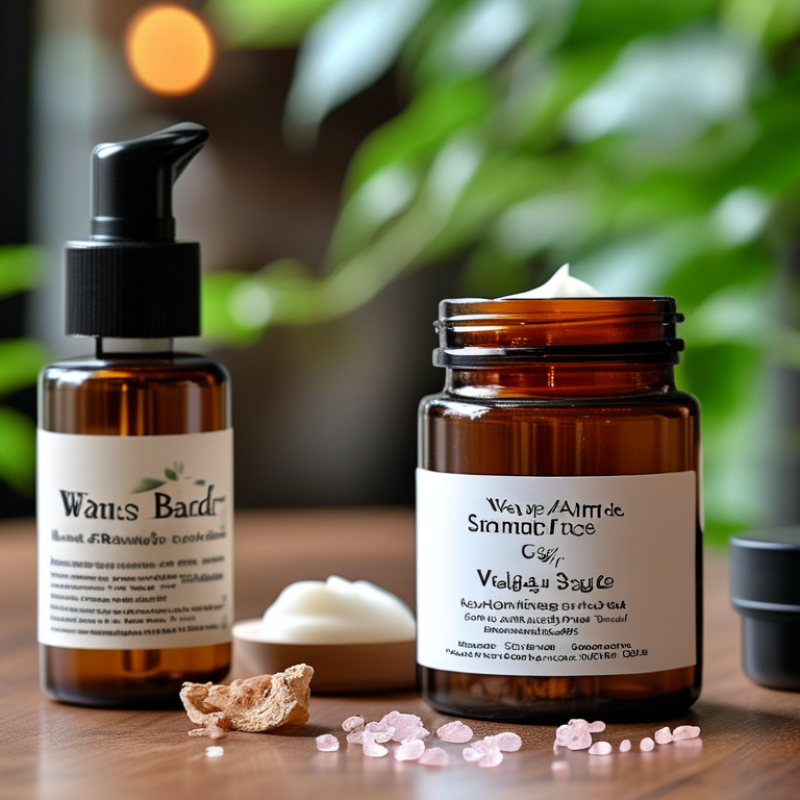
What Is Private Label Cosmetic Manufacturing?

Definition and Core Features of Private Label Cosmetic Manufacturing

Private label cosmetic manufacturing is a production model where a specialized manufacturer makes cosmetics for another company’s label. The client selects or adjusts a formula, packaging, scent, color, and product size. The finished item is then sold under the client’s own name. The manufacturer usually manages batching, filling, labeling, and production records.

The core features include formula options, controlled customization, and scalable production. A client may request a lightweight lotion, a clear gel, or a richer cream. Samples should be checked for texture, fragrance, color, and skin feel. Small details matter. Packaging also requires practical testing. A pump may clog, leak, or dispense too much product. These problems often appear after repeated use, not during a quick visual inspection.

Quality assurance is another essential feature. Reliable manufacturers document raw materials, batch numbers, stability results, and microbiological testing. They should also explain applicable cosmetic requirements for each sales market. Compliance is not identical everywhere. A product can pass an internal review and still need additional local documentation. That limitation deserves attention. Private label manufacturing can reduce development time, but it does not remove the client’s responsibility to review claims, artwork, and safety information. Formula consistency must be checked across batches, because a successful sample is not enough evidence of long-term performance.

What Is Private Label Cosmetic Manufacturing?

Private label cosmetic manufacturing allows a business to sell cosmetic products under its own brand while an independent manufacturer handles activities such as formulation, production, filling, packaging, and regulatory support. The chart highlights the core features that distinguish this manufacturing model.

How the Private Label Manufacturing Process Works

What Is Private Label Cosmetic Manufacturing?

How the Private Label Manufacturing Process Works

Private label cosmetic manufacturing begins with a clear product brief. The brief defines the product type, target users, texture, scent, appearance, and packaging size. A manufacturer then reviews suitable base formulas or develops a custom formula. Experienced formulators check ingredient compatibility, stability, and expected product performance. They also consider the container, because pumps, jars, and tubes can affect usability.

The first sample is rarely perfect. It may feel too heavy, separate after storage, or leave unwanted residue. Feedback must be specific and practical. For example, “reduce greasiness” helps more than “make it better.” Several sample rounds may follow. Testing can include stability checks, microbial evaluation, packaging compatibility, and quality inspections. These steps help identify changes caused by heat, light, time, or repeated opening.

Once the formula and packaging are approved, the manufacturer prepares production documents and raw materials. The batch is mixed under controlled conditions, then filled, labeled, and inspected. Samples from the finished batch can be checked for appearance, odor, weight, and consistency. Accurate records support traceability and responsible quality control. However, a smooth process still needs active communication. Small details, such as label wording or pump output, can create delays if overlooked. Private label manufacturing is not simply choosing a formula and adding a label. It is a series of technical decisions, revisions, and checks. Some decisions may need reconsideration after real-world use.

Key Participants and Their Responsibilities

What Is Private Label Cosmetic Manufacturing?

Key Participants and Their Responsibilities

Private label cosmetic manufacturing connects a product owner with a specialized manufacturer. The product owner defines the customer, price range, product type, and desired experience. A clear brief may specify a lightweight lotion, a low-odor cleanser, or a cream that absorbs quickly. Vague expectations create costly revisions.

Formulation chemists translate that brief into a workable formula. They select suitable ingredients, assess compatibility, and adjust texture, scent, color, and stability. Their work should include documented testing, not only an attractive sample in a jar. Quality specialists review raw materials, batch records, sanitation controls, and finished products. They also check whether packaging protects the formula during storage and transport. Small details matter. A weak pump can damage a good product.

Packaging suppliers manage containers, closures, labels, and printed information. Their dimensions must match filling equipment and product viscosity. The product owner remains responsible for honest claims, approved artwork, and clear communication with the manufacturer. Independent laboratories may support stability, microbiological, or safety assessments when appropriate. Regulatory professionals can review market-specific requirements before production begins.

Responsibilities can overlap. That is where confusion starts. A manufacturer may flag an unsupported claim, but the product owner must make the final commercial decision. In practice, deadlines sometimes encourage rushed approvals. That is a mistake worth reconsidering. A slightly slower review can prevent leakage, inaccurate instructions, or inconsistent batches. Clear records and written approval points keep every participant accountable.

Product Development, Compliance, and Quality Control

What Is Private Label Cosmetic Manufacturing?

Product Development, Compliance, and Quality Control

Private label cosmetic manufacturing means creating products with a manufacturer’s formulation, testing, and production expertise under another company’s label. Demand is expanding. Grand View Research estimated the global cosmetics market at USD 446.2 billion in 2023. McKinsey projects the beauty market may approach USD 590 billion by 2028. These figures increase pressure on product teams. A attractive concept is not enough.

Product development should begin with a clear product brief, target user, texture, fragrance limits, packaging format, and performance claim. Cosmetic chemists then assess ingredient compatibility, stability, microbial quality, and packaging interaction. Testing should include accelerated stability and preservative effectiveness when relevant. No formula is perfect on the first batch. Small changes can alter color, viscosity, or scent.

Compliance and Quality Control

Compliance must be built into development, not added before launch. In the United States, the Modernization of Cosmetics Regulation Act expanded facility registration, product listing, and adverse event responsibilities. In the European Union, a safety report, product information file, and responsible person are required under Regulation (EC) No. 1223/2009. Requirements vary by market. ISO 22716 also provides practical guidance for cosmetic good manufacturing practices. Quality control should verify raw-material identity, certificates, batch records, microbiological results, fill weight, and retained samples. A final inspection can still miss a weak supplier. That risk deserves review.

Benefits and Limitations for Cosmetic Brands

What Is Private Label Cosmetic Manufacturing?
Benefits and Limitations for Cosmetic Brands

Private label cosmetic manufacturing allows a brand to sell products made by an external specialist. The manufacturer may provide formulas, packaging, filling, testing, and documentation. This model can shorten development time and reduce equipment investment. McKinsey’s The Beauty Market in 2023 projected the global beauty market could reach about $580 billion by 2027. Such growth creates strong pressure to launch quickly. Private label production can help smaller teams respond without building a full laboratory.

The benefits are practical. A brand can select an existing cream, cleanser, or serum base, then adjust fragrance, texture, color, or packaging. A pilot batch may reveal problems before larger production begins. Manufacturers may also offer stability testing, microbial analysis, and batch records. These controls support product consistency and consumer trust. Cosmetics Europe reported European cosmetics and personal care retail sales of approximately €104 billion in 2023. The market is large, but competition is unforgiving.

The limitations need equal attention. Shared formulas can reduce differentiation, especially when several companies choose similar bases. Minimum order quantities may create slow-moving inventory in a small warehouse. Custom changes can also increase testing time and cost. A polished sample is not proof of reliable scale-up. Packaging may leak after transport, or a pleasant texture may change after heat exposure. The model is not effortless. Brands still need qualified oversight, clear specifications, supplier audits, and independent review of safety documentation. McKinsey also notes that consumers increasingly expect value and effectiveness, not attractive packaging alone. A rushed launch can expose weak decisions. That lesson is easy to underestimate.

What Is Private Label Cosmetic Manufacturing? – Benefits and Limitations for Cosmetic Brands
Dimension What It Means Typical Characteristics Benefits for Cosmetic Brands Limitations and Considerations
Definition Private label manufacturing is the production of cosmetics by a third-party manufacturer that sells the finished products to a brand for sale under the brand’s own name. The manufacturer may provide ready-made formulas, packaging options, filling, labeling, and production services. Allows a brand to launch products without owning a factory or building an in-house formulation department. The level of product uniqueness may be limited when the formula is selected from a standard catalog.
Product Development Model Brands generally choose between an existing stock formula and a customized or fully bespoke formula. Stock formulas usually require fewer development steps, while custom formulas require research, laboratory work, testing, and approval. A stock formula can shorten the path from product selection to market launch. Custom development usually requires more time, technical input, and development cost.
Initial Investment The brand typically pays for product development, samples, packaging, regulatory work, and a production order rather than factory construction. Capital requirements are usually lower than establishing a dedicated manufacturing facility, although the exact amount depends on product type and order volume. Reduces the need for manufacturing equipment, production staff, quality laboratories, and facility maintenance. Minimum order quantities, packaging purchases, testing fees, and deposits can still create a significant upfront cash requirement.
Minimum Order Quantity Minimum order quantity, or MOQ, is the smallest number of units a manufacturer will normally produce in one order. MOQ varies according to the formula, container, decoration method, filling process, and packaging supplier. A suitable low-MOQ supplier can help smaller brands test demand before committing to large inventory levels. Higher MOQs can increase inventory risk, storage costs, and the possibility of unsold or outdated products.
Time to Market The launch schedule includes formula selection, sample approval, packaging confirmation, testing, production, and delivery. Ready-made formulas generally move faster than custom formulas; packaging availability and regulatory requirements can affect the schedule. Using an existing formula and standard packaging can reduce development complexity and accelerate launch planning. Delays may occur because of sample revisions, component shortages, laboratory testing, artwork approval, or production capacity.
Brand Differentiation Differentiation can come from the formula, product claims, packaging, user experience, positioning, and distribution strategy. Standard formulas often provide limited exclusivity unless the brand adds customized ingredients, textures, fragrance, packaging, or testing. A strong brand concept and packaging system can make a product recognizable even when the manufacturing platform is shared. Similar or identical base formulas may be available to multiple customers, reducing technical exclusivity.
Quality Control Quality control covers raw materials, manufacturing processes, finished products, packaging, documentation, and batch release. Brands should review quality systems, specifications, certificates, batch records, stability information, and complaint procedures. An experienced manufacturer may already have established production controls, testing procedures, and trained personnel. The brand has less direct control over daily production decisions and must verify that the manufacturer meets agreed specifications.
Regulatory Responsibility Cosmetic products must comply with the laws and labeling requirements of each market where they are sold. Requirements may include ingredient declarations, safety substantiation, product information files, claims support, manufacturing records, and adverse-event procedures, depending on the market. Manufacturers can often provide technical documents and formulation information needed for regulatory review. The brand may remain responsible for product claims, market-specific compliance, labeling accuracy, and post-market obligations.
Packaging and Labeling The manufacturer may source containers, closures, cartons, labels, and other components or work with brand-selected suppliers. Packaging choices affect cost, minimum order quantities, lead time, compatibility, protection, and sustainability performance. Professional packaging can strengthen shelf appeal and communicate product information clearly. Custom molds, special finishes, imported components, and low-volume packaging can raise cost and extend lead times.
Scalability Scalability is the ability to increase production as sales grow while maintaining consistent quality and supply. It depends on factory capacity, equipment, raw-material availability, component supply, quality systems, and production planning. Brands can often expand production without purchasing additional manufacturing equipment. A manufacturer may prioritize larger orders or face capacity constraints during seasonal demand peaks.
Intellectual Property Intellectual property may include custom formulas, packaging designs, artwork, trademarks, product names, and technical documentation. Ownership and permitted use should be defined in a written agreement before development or production begins. Clear ownership terms can protect a brand’s unique formula, design, and market position. A stock formula may not be exclusive, and unclear contracts can create disputes over formula ownership or reuse.
Supply Chain Exposure The brand depends on the manufacturer and its suppliers for materials, components, production scheduling, and delivery. Risks include raw-material shortages, packaging delays, transportation disruption, quality deviations, and changes in supplier availability. The manufacturer may coordinate multiple supply-chain activities on the brand’s behalf. A disruption at one manufacturing partner can affect the brand’s entire product supply.
Best Fit for Brands Private label is often suitable for entrepreneurs, retailers, online sellers, salons, and established brands adding new product categories. It is especially useful when the brand has market knowledge and marketing capability but does not want to build its own production infrastructure. Enables faster experimentation, outsourced technical work, and a focus on branding, sales, and customer relationships. It may be less suitable when a brand requires complete control over formulation, manufacturing capacity, or proprietary technology.

Note: Actual costs, MOQs, lead times, testing requirements, and regulatory obligations vary by product category, manufacturing location, packaging format, and destination market.

FAQS

What is private label cosmetic manufacturing?

A specialized manufacturer produces cosmetics for another company’s label. The client chooses the formula, packaging, scent, color, and size. The finished product carries the client’s own name.

What decisions does the product owner make?

The product owner defines the target users, texture, scent, appearance, price range, and package size. A clear brief prevents expensive revisions. Vague ideas cause delays.

Can the formula be customized?

Yes, the client may select or adjust a formula. Options can include a lightweight lotion, clear gel, or richer cream. Customization still requires ingredient compatibility and stability checks.

Why are sample rounds important?

The first sample may feel heavy, separate during storage, or leave residue. Feedback should be specific, such as “reduce greasiness.” Sometimes, “make it better” is not useful enough.

What packaging problems should be tested?

Pumps may clog, leak, or release too much product. A jar, tube, or pump must match the formula’s viscosity. Test packaging repeatedly, not only during a quick inspection.

What quality records should a manufacturer provide?

Useful records include raw material details, batch numbers, stability results, microbiological testing, and production information. Finished samples may be checked for odor, weight, appearance, and consistency. Records support traceability.

Who is responsible for claims and artwork?

The product owner remains responsible for honest claims, approved artwork, and clear safety information. The manufacturer may flag unsupported wording. Final commercial decisions still require careful review.

Does a successful sample prove long-term product performance?

No. Formula consistency must be checked across production batches. Heat, light, time, and repeated opening can reveal problems later. A good sample is only an early sign.

How can communication prevent production delays?

Written approvals should cover formula details, label wording, packaging dimensions, and pump output. Small omissions can stop production. A slower review may prevent bigger mistakes.

Conclusion

Private Label Cosmetic Manufacturing is a business model in which a specialized manufacturer develops and produces cosmetic products that are sold under another company’s identity. The process usually begins with selecting a product concept, formula, packaging style, and quantity. The manufacturer may provide ready-made formulas or create customized products, while the cosmetic brand manages its market positioning, packaging information, and sales strategy. Clear communication between both parties is essential for defining specifications, timelines, costs, and responsibilities.

Successful production requires careful product development, ingredient assessment, testing, documentation, and quality control throughout manufacturing and packaging. Manufacturers are generally responsible for production consistency, facility standards, and technical support, while brands must ensure that product claims, labeling, marketing materials, and distribution practices are accurate and compliant with applicable regulations. This model can reduce development time, investment, and operational complexity, making it suitable for companies with limited production resources. However, limitations may include minimum order requirements, less control over manufacturing schedules, formula exclusivity, and dependence on the manufacturer’s capabilities.

Amelia

Amelia

Amelia is a dedicated marketing professional with a strong understanding of product strategy, customer needs, and digital communication. As a key member of the company’s marketing team, she combines industry knowledge with clear, practical storytelling to help readers make informed decisions. Her......