Expert guidance on Halal cosmetic manufacturing, private label skincare trends, and formula innovation.
Formulation Innovation
Cutting-Edge Beauty Science & R&D Reports
Discover industry research, ingredient breakdowns, and strategic manufacturing advice.
Global Quality Standards
Halal & GMP Compliance Guides
Learn how to build and scale competitive beauty brands in compliance with global market standards.
ISO 22716 & CE Certified Manufacturing
CE Certified OEM Makeup Manufacturer & Exporter
Global Contract Manufacturing & Private Label Skincare Solutions: Empowering Beauty Brands with Bio-Tech Formulations, Halal Compliance, and Turnkey Supply Chain Mastery.
High-Performance Formulations
Featured OEM Skincare & Beauty Product Lines
Engineered in our state-of-the-art R&D laboratories. Fully customizable for private labeling with certified clinical ingredients, superior transdermal delivery systems, and global regulatory compliance.
Bio-Tech Anti-Aging
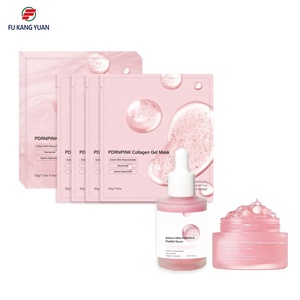
Private Label Skincare Wholesale Salmon DNA PDRN Set OEM ODM Korean Beauty Products Facial Treatment Routine Kit
Strategic Technical Whitepaper: Navigating Global Sourcing & Manufacturing Excellence
The global cosmetics and skin treatment ecosystem is currently undergoing a structural pivot driven by heightened consumer scrutiny, stringent international regulatory frameworks, and rapid advances in transdermal bio-technology. Brand owners, beauty conglomerates, and enterprise procurement directors require contract manufacturing partners who offer more than high-speed filling lines; they demand strategic technical partners who deliver verified Information Gain, rigorous quality assurance, and dynamic adaptation to global regulatory requirements.
SEO & Sourcing Insight: As Google’s Search Quality Rater Guidelines emphasize Experience, Expertise, Authoritativeness, and Trustworthiness (E-E-A-T), cosmetic brand owners must align with OEM/ODM partners whose manufacturing facilities are validated by internationally recognized standards, including CE marking compliance, ISO 22716 certification, and Halal protocols.
Next-Generation Bio-Active Ingredient Engineering
Modern consumers are demanding scientifically substantiated claims. Simple topical moisturizing agents are rapidly being replaced by bio-engineered cellular repair complexes. In response, our contract manufacturing operations prioritize active ingredient bioavailability, molecular stability, and micro-encapsulation technologies.
PDRN (Polydeoxyribonucleotide)
Extracted via ultra-purification from salmon DNA, PDRN activates A2A adenosine receptors, stimulating fibroblast proliferation, accelerating tissue regeneration, and rebuilding dermal collagen networks at a cellular level.
Multi-Weight Sodium Hyaluronate
Utilizing full-spectrum molecular weights (from high MW for surface barrier protection down to micro-hydrolyzed low MW <10kDa), ensuring multi-layer epidermic and dermic hydration retention.
Ultra-Pure Niacinamide & Collagen
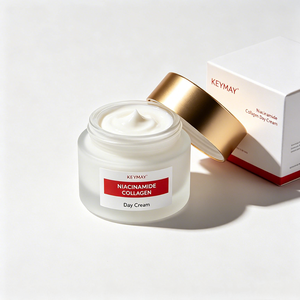
Synergistic pairing of pharmaceutical-grade Vitamin B3 (Niacinamide) and hydrolysed marine collagen to inhibit melanosome transfer, balance lipid synthesis, and bolster cutaneous elasticity.
Proven supply chain network spanning 30+ countries across North America, EU, and Asia.
Future Sourcing & Product Development Trends (2025–2030)
Procurement directors and brand strategists must future-proof their supply chains by identifying emerging shifts in consumer preferences and regulatory landscape enforcement. Our market intelligence labs highlight four core macro-trends reshaping contract cosmetic manufacturing:
1. Micro-Needling & Hydrocolloid Hybrids
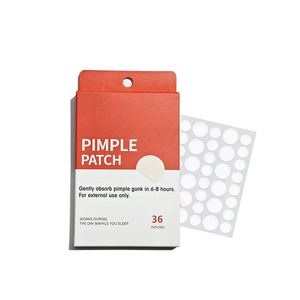
Transdermal patch technology is evolving from passive hydrocolloid absorption to active-infused micro-dart arrays. Procurement of targeted acne patches (such as our 36-dot transparent hydrocolloid series) represents one of the fastest-growing personal care export segments globally.
2. Halal & Ethical Beauty Convergence
Halal-certified skincare is no longer confined to Islamic-majority demographics. Global buyers recognize Halal manufacturing as a benchmark for hyper-clean production, strict prohibition of cross-contamination, animal welfare, and ingredient purity.
3. Single-Dose Active Encapsulation
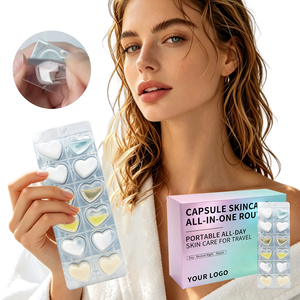
Air-free, travel-ready, single-dose delivery systems (such as heart-shaped anti-aging skin care capsules) prevent photo-oxidation of delicate active compounds like Retinol, Vitamin C, and PDRN, extending shelf life without aggressive synthetic preservatives.
4. Extended Ergonomic Sheet & Body Masks
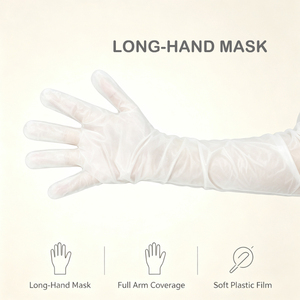
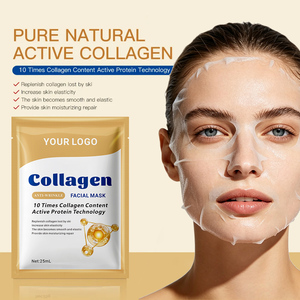
Facial care trends are expanding into dedicated body skincare. Products such as extra-long forearm hydrating hand gloves and targeted neck-to-chest collagen sheets cater to luxury spa routines and at-home dermal therapy treatments.
Sky Resources offers an integrated, turnkey manufacturing matrix that accelerates time-to-market while minimizing regulatory risk for international beauty brands.
One-Stop Turnkey OEM/ODM/Private Label
From strategic concept formulation, packaging design selection, and bench testing to bulk manufacturing, filling, and export logistics—we manage the complete product lifecycle under one roof.
Stringent Quality Control & Lab Testing
Our ISO 22716 and GMP certified cleanrooms utilize automated filling technology, continuous microbial monitoring, and rigorous stability testing (freeze-thaw, accelerated heat, UV exposure) to ensure batch-to-batch consistency.
Global Regulatory Compliance (CE, Halal, FDA)
We streamline complex market entry requirements for ASEAN, European Union (EC No 1223/2009), US FDA, and Middle Eastern markets, providing fully compiled Product Information Files (PIF) and safety assessments.
Sustainable & Clean Beauty Formulation
Committed to eco-conscious cosmetics. We offer vegan-friendly, cruelty-free, microplastic-free, and biodegradable packaging options to align with global ESG standards and modern consumer values.
Comprehensive Strategic FAQ for Global B2B Buyers
Navigating private label skincare manufacturing involves complex decisions regarding minimum order quantities (MOQs), formulation customizing, regulatory filings, and quality verification. Below are expert answers to the most crucial procurement inquiries:
?
How do I evaluate and choose an OEM skincare manufacturer for premium cosmetic lines?
To select a reliable OEM skincare manufacturer, brand owners should audit four fundamental pillars: 1) Regulatory Certifications: Ensure the facility maintains ISO 22716, GMP, and Halal accreditations along with CE documentation compliance for specific markets. 2) R&D Capabilities: Verify that the manufacturer possesses in-house chemists capable of formulating bespoke active complexes (e.g., PDRN, Niacinamide, Sodium Hyaluronate) rather than re-selling generic stock formulas. 3) Quality Assurance Protocols: Review their stability testing, challenge testing, and raw material traceable supply chains. 4) Full Turnkey Services: Partner with manufacturers offering end-to-end support—from packaging design and artwork clearance to final global customs export documentation.
?
What is the structural difference between OEM and ODM in cosmetic manufacturing?
OEM (Original Equipment Manufacturer): In an OEM partnership, the manufacturer produces cosmetic products based directly on the client's proprietary formulation specifications, brand guidelines, and target design parameters. The client retains ownership over the exact formulation formula. ODM (Original Design Manufacturer): In an ODM model, the manufacturing facility utilizes its internal R&D expertise to research, engineer, and design both the product formulation and primary packaging options. The client selects fully validated, market-ready formulas and markets them under their brand name. Sky Resources offers seamless execution across both OEM and ODM operating models.
?
What does Halal Certification entail in skincare and cosmetic manufacturing?
Halal certification in skincare mandates that all raw materials, active ingredients, processing aids, and equipment are completely free from porcine derivatives, land animal fats not slaughtered according to Sharia law, GMOs containing prohibited genes, and ethyl alcohol above permissible compliance thresholds. Furthermore, manufacturing lines must undergo rigorous sanitization to prevent any cross-contamination. Halal certification serves globally as a proxy for hyper-hygienic, clean, and cruelty-free manufacturing standards.
?
What are the standard lead times and Minimum Order Quantities (MOQs) for custom OEM production?
Lead times generally depend on raw material sourcing and packaging customization. Typically, custom R&D sampling takes 7–14 days. Once sample approval and stability benchmarks are met, bulk manufacturing and filling generally require 30 to 45 business days. MOQs vary depending on packaging requirements (e.g., standard tubes vs. custom molded glass bottles), with flexible scale options designed to accommodate growing indie brands as well as established multinational retailers.
?
How do CE markings and ISO 22716 standards protect international buyers?
ISO 22716 provides strict guidelines for the production, control, storage, and shipment of cosmetic products, minimizing contamination risk and product degradation. CE certification and compliance ensure that products meet stringent European health, safety, and environmental protection standards. These certifications ensure that your private label products pass customs inspections effortlessly and operate with zero liability exposure in consumer retail environments.
Ready to Scale Your Beauty Brand with CE Certified OEM Excellence?
Partner with Malaysia’s premier Halal & GMP certified cosmetic contract manufacturer. Contact our technical sales team today to request comprehensive formulation catalogs, product pricing, and lab samples.