
Factory-Direct Wholesale Skincare & Cosmetic Catalog
Explore our top-performing OEM/ODM private label skincare solutions engineered in ISO 22716 & GMPC certified cleanrooms. Formulated for high stability, bio-availability, and global market compliance.
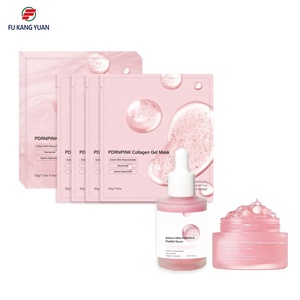
Private Label Skincare Wholesale Salmon DNA PDRN Set OEM ODM Korean Beauty Routine Kit
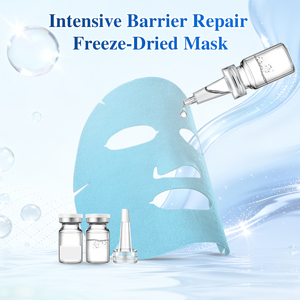
Bulk Formulation Sodium Hyaluronate Skin Lightening & Barrier Repair Sheet Mask
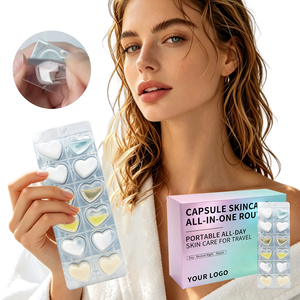
Bulk Supply Heart-Shaped Skincare Capsules Anti-Aging & Brightening Travel Serum Kit
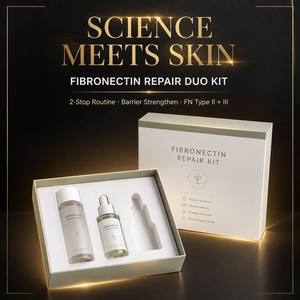
Wholesale Anti-Aging Skincare Set Firming & Lifting Facial Treatment for Mature Skin
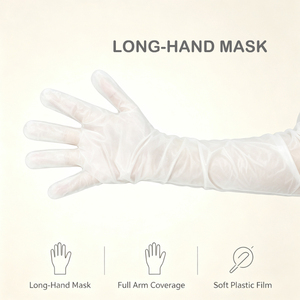
Forearm Coverage Hydrating Hand Mask Extra-Long Design Nourishing Glove Mask OEM
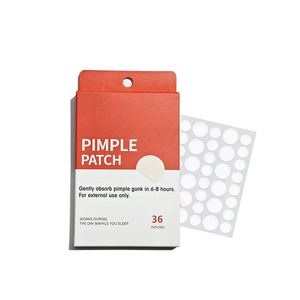
Invisible Hydrocolloid Acne Pimple Patch Custom Transparent Absorption Dots Bulk
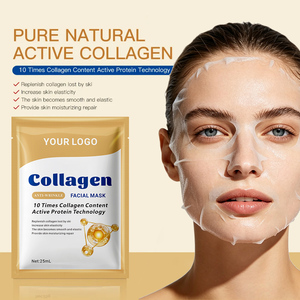
Wholesale Crystal Collagen Facial Hydrogel Mask Rejuvenating & Plumping Treatment
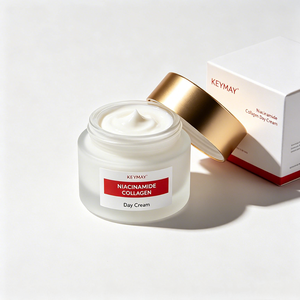
Niacinamide + Collagen Anti-Aging Moisturizing Day Cream Private Label Bulk Factory
Turnkey Skincare OEM/ODM Manufacturing Infrastructure
From molecular ingredient research to high-speed automated packaging lines, our end-to-end industrial capabilities guarantee batch-to-batch consistency, full regulatory compliance, and rapid market deployment.
Advanced Bio-Active R&D
Over 34 years of formula innovation with dedicated cosmetic chemists specializing in bio-fermentation, micro-encapsulation, PDRN extraction, and stable peptide delivery systems.
GMPC & ISO 22716 Certified
Operates under strict Class 100,000 cleanroom environment standards with automated vacuum emulsification and sterile filling systems ensuring zero cross-contamination.
Halal & Vegan Compliance
Fully compliant with international Halal audit bodies (JAKIM/MUI recognized), cruelty-free ethical sourcing, and clean-beauty non-toxic formulations.
Global Regulatory Dossiers
Complete turn-key regulatory support for FDA, EU CPNP, ASEAN Cosmetic Directive, and Middle East registration including PIF (Product Information File) preparation.
Custom Packaging & Scaling
Integrated packaging engineering supporting eco-conscious PCR plastics, refillable glass containers, airless pump technologies, and custom mold creation for brand differentiation.
1. China’s Wholesale Skincare Manufacturing Landscape: An Executive Sourcing Whitepaper
The global beauty and personal care market is undergoing a seismic shift toward bio-fermented actives, biomimetic peptides, and dermatological efficacy. At the epicenter of this transformation is China's cosmetics OEM (Original Equipment Manufacturer) and ODM (Original Design Manufacturer) ecosystem. Modern Chinese skincare factories in industrial hubs like Guangzhou, Shanghai, and Zhejiang have evolved far beyond high-volume batch filling. Today, they represent state-of-the-art biotechnology centers equipped with high-performance liquid chromatography (HPLC) analytical labs, multi-layer micro-encapsulation reactors, and automated cleanrooms operating under ISO 22716 and US FDA GMPC guidelines.
For global beauty brand founders, supply chain directors, and B2B importers, sourcing from China's top wholesale skincare manufacturers provides a decisive competitive edge: rapid formulation iteration, direct access to premium botanical raw materials, and unmatched economies of scale. By combining rigorous efficacy testing—such as 3D reconstituted human skin model (RHS) testing—with flexible Minimum Order Quantities (MOQs), leading Chinese skincare factories empower both emerging indie brands and established multinational conglomerates to capture market share rapidly.
2. Deep Dive: Key Skincare Formulations & Ingredient Innovations
To capture high-intent search traffic and satisfy modern consumer demands for clean, clinical, and transparent skincare, contract manufacturers must master complex biochemical formulations. Below is an engineering and chemical breakdown of key product categories available for private label manufacturing:
A. Salmon DNA (PDRN) & Rejuvenating Bio-Actives
Polydeoxyribonucleotide (PDRN), harvested from salmon soft tissue DNA, represents a breakthrough in cellular tissue repair and anti-aging skincare. Functioning at the cellular level, PDRN stimulates adenosine A2A receptors, promoting microvascular blood circulation, collagen synthesis, and rapid epidermal tissue regeneration. When combined with multi-peptides (such as Acetyl Hexapeptide-8 and Palmitoyl Pentapeptide-4), PDRN serums deliver non-invasive clinical restorative results. Advanced OEM factories utilize cold-chain extraction and low-temperature ultrasonic homogenization to maintain the biological integrity of PDRN chains.
B. Sodium Hyaluronate Multi-Depth Hydration Matrices
Modern hydrating masks and serums utilize cross-linked Sodium Hyaluronate matrices containing up to five distinct molecular weights:
- High Molecular Weight (>1.8 MDa): Forms an invisible moisture-locking barrier on the stratum corneum to prevent Transepidermal Water Loss (TEWL).
- Medium Molecular Weight (1.0 - 1.5 MDa): Retains environmental moisture and smoothes skin surface texture.
- Low Molecular Weight (100 - 400 kDa): Penetrates into the upper dermal layers to replenish structural hydration.
- Micro/Oligo Sodium Hyaluronate (<10 kDa): Enzymatically hydrolyzed to reach deep dermal layers, repairing damaged extracellular matrices and boosting cell proliferation.
C. Medical-Grade Hydrocolloid Acne Care Delivery Systems
Invisible acne patches utilize matrix-bound Hydrocolloid elastomer technology engineered to absorb purulent exudate while maintaining a moist wound-healing micro-environment. Top Chinese OEM manufacturers utilize bevel-edge precision die-cutting (0.1mm outer rim) and incorporate lipophilic active agents such as Salicylic Acid, Melaleuca Alternifolia (Tea Tree) Oil, and Madecassoside into the hydrocolloid mass without compromising adhesive tack or optical transparency.
D. Single-Dose Encapsulated Preservative-Free Actives
Cosmetic capsules utilize plant-derived biodegradable soft-gel shells (agar or modified starch) to isolate volatile active ingredients—such as Pure L-Ascorbic Acid, Retinol, and Squalane—from oxygen and UV exposure. Single-dose delivery eliminates the need for harsh synthetic preservatives, satisfying global demand for clean-beauty, travel-friendly, precise dosage cosmetics.
3. Manufacturing Standards Matrix: Standard OEM vs. Advanced Biotech OEM
When auditing potential China skincare factories, enterprise buyers must differentiate between baseline commercial packing facilities and high-precision bio-tech contract manufacturers. The table below outlines key technical metrics:
| Evaluation Metric | Standard Commercial OEM Factory | Advanced Biotech Skincare OEM/ODM |
|---|---|---|
| Cleanroom ISO Standard | Class 300,000 / General Air Filtration | ISO 14644-1 Class 100,000 (ISO 8) Cleanrooms |
| Water Purification System | 2-Stage Reverse Osmosis (RO) | EDI Ultrapure Water System (<0.1 μS/cm Conductivity) |
| Emulsification Technology | Standard Mechanical Agitation | German Vacuum Micro-Homogenizers (<1 Micron Particle) |
| Efficacy Testing Capabilities | Basic Viscosity & pH Checks | HPLC, 3D Human Skin Models, Clinical Trans-Epidermal Loss |
| Regulatory Dossiers Support | Basic COA & MSDS | Full PIF, CPNP (EU), FDA VCRP, Halal, Kosher, ISO 22716 |
4. Future Procurement Trends in Global Skincare Sourcing (2025–2030)
Navigating the next decade of wholesale beauty procurement requires understanding upcoming consumer demands, regulatory shifts, and sustainable manufacturing practices. Brand owners and purchasers should align their product development roadmaps with the following four micro-trends:
1. Upcycled & Zero-Waste Bio-Ingredients
Global buyers are prioritizing formulations containing upcycled agricultural by-products, such as coffee oil extracted from spent grounds, polyphenol-rich juice waste extracts, and upcycled botanical lipids. Chinese raw material suppliers and OEM R&D teams are leading the commercial scale-up of green-chemistry extraction methods (supercritical CO2 extraction) that drastically reduce carbon footprints.
2. Neuro-Cosmetics and Skin-Mind Connection
Formulations targeting cortisol-induced skin aging (stress-skin) are experiencing rapid demand growth. Key active compounds include adaptogenic botanical complexes, neuro-calming peptides, and bio-identical endocannabinoid mimetics designed to reduce neurogenic inflammation, skin redness, and micro-stress barrier degradation.
3. Waterless & Concentrated Skincare Solid Formats
Driven by rising international shipping costs and eco-conscious consumer sentiment, waterless skincare—including powder-to-liquid cleansers, solid balm sticks, and freeze-dried active matrix tablets—is rapidly growing. Contract manufacturers capable of freeze-drying (lyophilization) active serums into sterile single-use spheres are commanding premium market positioning.
4. AI-Driven Stability and Regulatory Compliance Modeling
Pioneering contract manufacturers now deploy artificial intelligence algorithms to predict formula stability and ingredient interactions before physical batch synthesis. Accelerated stability modeling under simulated temperature fluctuations reduces R&D cycle times from 6 months down to 4 weeks, enabling rapid commercialization for dynamic beauty brands.
5. Step-by-Step OEM/ODM Sourcing Workflow for International Buyers
To ensure flawless execution when partnering with a Chinese skincare wholesale manufacturer, enterprise buyers should follow a structured, multi-phase procurement pipeline:
- Phase 1: Briefing & Target Benchmark Selection: Define target market, price point, key active ingredients, texture preference, and regulatory compliance targets (EU, US, ASEAN, LATAM, Middle East).
- Phase 2: R&D Sample Iteration & Lab Approval: The factory's formulation chemists synthesize benchmark lab samples. Perform sensory evaluations, viscosity checks, scent adjustments, and container compatibility checks.
- Phase 3: Microbiological & Challenge Testing: Subject final approved formulations to USP 51 Antimicrobial Effectiveness Testing, freeze-thaw stability (-10°C to 45°C), and 90-day accelerated stability testing.
- Phase 4: Packaging Engineering & Artwork Proofing: Conduct leak-proof vacuum testing on selected primary packaging (airless bottles, dropper jars, aluminum tubes). Finalize foil-stamped, UV-coated outer box artwork proofs.
- Phase 5: Automated Mass Production & Quality Control (AQL 1.0/2.5): High-speed filling lines execute mass batch production. Quality Assurance inspectors perform sampling according to ISO 2859-1 standards before export container loading.
Skincare OEM Procurement FAQ
Answers to common questions regarding minimum order quantities, private labeling, regulatory compliance, and factory audits.
? How do I choose a reliable skincare manufacturer in China?
Look for factories certified under ISO 22716 and US GMPC guidelines with Class 100,000 cleanrooms. Ensure they provide full analytical documentation (COA, MSDS, Stability Reports) and have proven experience exporting to your target market (EU, US, Middle East, ASEAN).
? What is the difference between OEM and ODM in skincare?
OEM (Original Equipment Manufacturer) means the factory manufactures skincare using your proprietary formula or specified recipe. ODM (Original Design Manufacturer) means the factory provides turnkey solutions—including market research, formula development, custom packaging design, and regulatory filing.
? What is the typical Minimum Order Quantity (MOQ) for private label manufacturing?
MOQs vary depending on packaging and product complexity. Bulk formulation or standard stock bottles can start at 1,000 to 3,000 units. Fully customized molded packaging or specialized printed sheet masks generally require 5,000 to 10,000 units per SKU.
? Are Chinese OEM skincare products Halal and Cruelty-Free certified?
Yes. Leading export-oriented factories maintain Halal certification (recognized by JAKIM/MUI) and adhere strictly to non-animal testing protocols for export products, utilizing modern in-vitro cell culture methods to verify dermatological safety.
? How are intellectual property (IP) and custom formulas protected?
Reputable manufacturers sign legally binding Non-Disclosure Agreements (NDAs) and Formula Exclusivity Agreements before starting R&D. Custom formulations developed specifically for your brand remain your exclusive property.
? What is the typical lead time from formula development to delivery?
Initial lab sample creation takes 3 to 7 business days. Once formulas and packaging artworks are approved, mass production and filling take approximately 25 to 35 days, depending on raw material sourcing lead times.
Ready to Build Your Custom Skincare Line?
Partner with China’s premier ISO 22716 & GMPC certified skincare manufacturer. Get direct factory wholesale pricing, fast R&D sample dispatch, and complete regulatory compliance support today.
Inquire Now