
Top OEM/ODM Featured Products
High-performance private label body scrubs and skincare solutions ready for custom batch production
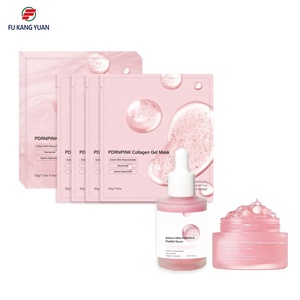
Private Label Skincare Wholesale Salmon DNA PDRN Set OEM ODM Korean Beauty Products Facial Treatment Routine Kit
Send an Inquiry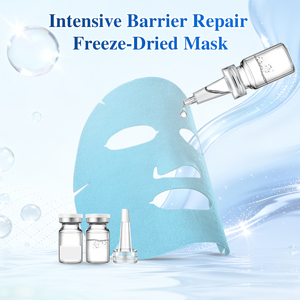
Bulk Formulation Sodium Hyaluronate Skin Lightening Care Hydration Barrier Repairing Calm Skin Roughness Reduction Facial Mask
Send an Inquiry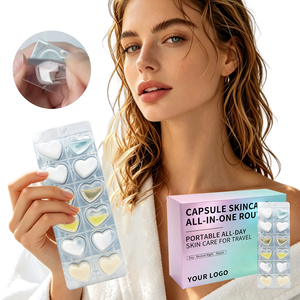
Bulk Supply Heart Shaped Skincare Mini Travel Kit Anti-Aging Brightening Anti-Wrinkle Skin Care Capsule for Day Night Care
Send an Inquiry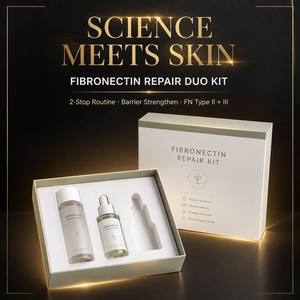
Jinmeizan Bulk Order Price Anti Aging Skincare Set Firming Lifting Face Kit Hydrating Beauty Set for Mature Skin Daily Care
Send an Inquiry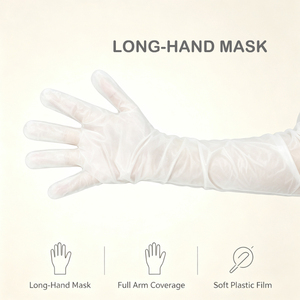
Forearm Coverage Hydrating Hand Mask Extra Long Design Nourishing Skin Care Gloves OEM Custom Packaging Bulk Supply
Send an Inquiry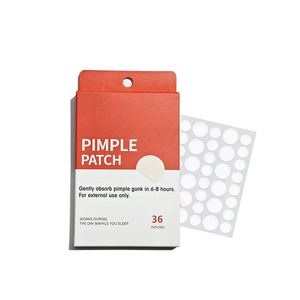
Face Care Pimple Patch Hysent 36 Dots Factory Stock Custom Transparent Invisible Hydrocolloid Acne Patch Bulk Pimple Patches
Send an Inquiry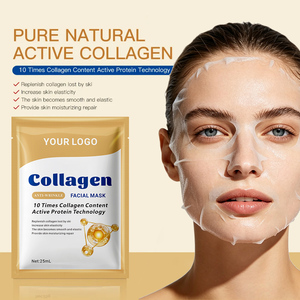
Wholesale Crystal Facial Mask Rejuvenating Collagen Smooth Skin Anti-Aging Moisture Replenish Beauty Skin Care Sheet Private
Send an Inquiry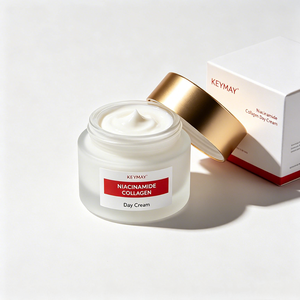
Niacinamide Collagen Day Cream Moisturizing Anti Aging Face Cream Private Label OEM ODM Wholesale Custom Logo Moisturizer
Send an InquiryExecutive Summary: Navigating China’s Body Scrub Ecosystem in 2025–2026
The global personal care and exfoliation sector is undergoing a seismic shift toward multi-functional, dermatologically verified, and micro-biome-friendly formulations. As international cosmetics brands, e-commerce conglomerates, and spa chains seek high-margin OEM/ODM manufacturing partnerships, China's body scrub supply chain stands out as the ultimate global operational hub.
China's personal care manufacturing sector has evolved beyond simple mass-scale production into an advanced, science-driven hub featuring high-shear emulsion systems, automated cleanroom filling environments, and sustainable ingredient processing. Modern buyers are no longer evaluating factories solely on price per unit; today’s strategic sourcing leaders evaluate information gain, chemical formulation stability, microbial safety, and global compliance agility.
Geographic Clustering of Top China Body Scrub Manufacturers
Understanding China’s industrial topography is essential for supply chain risk management and landed-cost optimization. Body scrub production facilities are concentrated primarily within three major industrial clusters, each offering specific technical and commercial benefits:
Guangdong Province (Guangzhou, Foshan, Bay Area)
Primary Focus: High-end Cosmetic Innovation, Rapid Prototyping, Active Ingredient Encapsulation.
Guangdong represents the epicenter of China’s personal care industry, holding over 55% of the nation’s cosmetic manufacturing licenses. The region boasts unparalleled packaging supply chains, specialized glass/PET bottle manufacturers, and immediate access to imported active raw materials.
Zhejiang Province (Ningbo, Yiwu, Huzhou)
Primary Focus: High-Volume Mass Production, Bath & Body Sets, Export Logistics.
Zhejiang factories excel at high-volume automation, cost-effective formulation, and direct port connectivity. Facilities in this region are optimized for retail giants requiring tight turnarounds on large-volume seasonal orders.
Jiangsu & Shanghai Region
Primary Focus: Pharmaceutical-Grade R&D, Cleanroom Automation, Dermatological Testing.
Leveraging proximity to top-tier chemical engineering universities and foreign research labs, suppliers in Jiangsu and Shanghai prioritize clinical efficacy testing, specialized chemical peel/scrub hybrids, and premium clean-beauty certifications.
Formulation Engineering: Physical Exfoliants vs. Chemical Synergy
A high-performance body scrub must balance abrasive mechanical exfoliation with lipid barrier restoration. Premium Chinese OEM/ODM suppliers utilize complex rheology modifiers to prevent salt/sugar settling while maintaining an effortless glide during application.
| Exfoliant Class | Common Raw Materials | Particle Size (Mesh) | Ideal Target Skin Indication | Formulation Stability Considerations |
|---|---|---|---|---|
| Crystalline Sugar Matrix | Sucrose, Inverted Sugar, Brown Sugar | 40 - 100 Mesh | Sensitive, Dry & Dehydrated Skin | Requires anhydrous oil bases or water-in-oil emulsions to prevent premature crystal dissolution. |
| Mineral Salt Granules | Dead Sea Salt, Himalayan Pink Salt, Marine NaCl | 20 - 80 Mesh | Detoxifying, Deep Cleansing, Body Polish | High ionic strength can break standard carbomer gel networks; requires salt-tolerant polymers. |
| Upcycled Botanical Particles | Walnut Shell Powder, Coffee Grounds, Apricot Seed | 60 - 140 Mesh | Rough Elbows/Knees, Eco-Clean Brands | Requires strict gamma-irradiation or thermal sterilization to eliminate microbial spores. |
| Bio-Degradable Micro-Beads | Polylactic Acid (PLA), Encapsulated Jojoba Esters | 50 - 120 Mesh | Luxury Daily Use, Gentle Exfoliation | Temperature sensitive during thermal emulsification phase; must be cool-down added (<45°C). |
| Chemical / Enzymatic Actives | AHAs (Glycolic/Lactic), BHAs (Salicylic Acid), PHAs | Molecular Solute | Keratosis Pilaris, Acne-Prone Back/Chest | pH stabilization required (typically pH 3.8–4.5) to maintain acid bioavailability without skin irritation. |
Advanced OEM factories integrate dual-action systems: pairing soft physical abrasives with barrier-repairing lipids such as Ceramides, Niacinamide, Sodium Hyaluronate, and Salmon DNA (PDRN). This ensures that as dead stratum corneum cells are sloughed off, intercellular lipids are replenished instantly.
Future Sourcing Trends: What B2B Buyers Must Prepare For
Procurement teams must align their 3-to-5-year product roadmaps with evolving regulatory frameworks and global consumer preferences. Leading Chinese suppliers are investing heavily in four transformational areas:
1. Anhydrous & Waterless Formulations
Driven by sustainability goals and shipping weight optimization, waterless body scrubs (concentrated pastes, solid scrub bars, and dry powder-to-paste formulas) reduce carbon footprints while eliminating the need for strong synthetic preservatives.
2. Microbiome-Friendly Bio-Ferments
Consumers are rejecting harsh scrubs that compromise the skin microbiome. Formulations featuring postbiotics, lactobacillus ferment lysates, and prebiotic sugar matrixes protect beneficial skin flora while lifting cellular debris.
3. Clinical Efficacy & Claims Validation
B2B buyers are demanding rigorous third-party testing reports. Top-tier factories now supply full Certificate of Analysis (COA), Safety Data Sheets (SDS), Trans-Epidermal Water Loss (TEWL) reduction data, and dermatological patch test validations.
Factory Auditing: The Quality Assurance Checklist for Importers
When selecting a target factory, global brands must conduct thorough multi-stage audits. Below is the technical compliance framework utilized by leading international beauty brands when vetting Chinese manufacturing partners:
1. Certification Standards
Ensure the facility holds validated ISO 22716 (Cosmetic GMP) and GMPC (US/EU) accreditations. For brands targeting Middle Eastern or Southeast Asian markets, verifying Halal compliance across raw material storage and manufacturing lines is essential.
2. Thermal & Mechanical Stability Testing
Body scrubs with high oil or salt concentrations are prone to syneresis (oil bleeding) and phase separation. Verify that the factory subjects batch samples to thermal stress testing (45°C/55°C for 12 weeks), freeze-thaw cycles (-10°C to +40°C), and centrifugation tests (3000 RPM for 30 minutes).
3. Challenge & Microbial Testing
Even anhydrous scrubs frequently come into contact with shower water during consumer use. Reliable factories perform Antimicrobial Preservative Efficacy Testing (USP <51> / ISO 11930) to guarantee safety under real-world consumer conditions.
Enterprise Strength: Enterprise Manufacturing Capabilities
Building on over 34 years of contract manufacturing heritage, our partner network provides an end-to-end operational backbone for global cosmetics brands. With annual formulation capacity exceeding 1,500 turnkey recipes and export reach spanning 30+ countries, we provide complete peace of mind for brand owners.
State-of-the-Art R&D Cleanrooms
Equipped with advanced high-shear homogenizers, automated liquid/paste filling lines, and in-house analytical testing suites capable of full active component verification.
Full Regulatory Registration Support
Comprehensive assistance for FDA VCRP, EU CPNP filings, ASEAN Cosmetic Directive compliance, and Halal certification documentation for rapid international product rollout.
Custom Structural & Packaging Design
From eco-conscious post-consumer recycled (PCR) plastics to bespoke glass jars and custom outer carton engineering, we transform brand concepts into shelf-ready retail SKUs.
B2B Procurement FAQ: Body Scrub Manufacturing & Sourcing
Ready to Scale Your Body Care Product Line?
Partner with an industry-leading OEM/ODM manufacturer. From concept formulation to global regulatory filing, our engineering team is standing by to bring your product vision to market.
Send an Inquiry